
The Burkha is common to Asian nations, while the Abaya is popular in the Middle Eastern region. Both are the conventional outfits designed for women, as dictated by Islam, albeit with minor differences. While the former drapes the wearer from head to toe, the latter permits the face, hands and feet to remain uncovered. Just as couturiers have been experimenting with the Burkha, they have been doing the same with the Abaya too. The result is the advancement of this Islamic clothing into the arena of fashion and style!
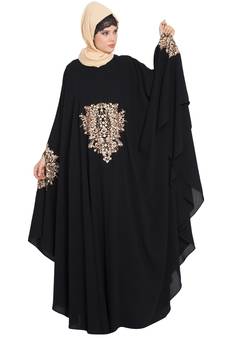
Traditional Attire
Yes, it is a traditional outfit designed for Muslim women, like you, across the globe. As your Faith dictates, you must feel safe and secure whenever you go out in public. This means that your body should be able to confront the ‘stares’ of men without feeling uncomfortable. Since the garment has a free and streaming flow, it becomes easy to do so. You will be able to go about your tasks with a peaceful mind, as your whole body is decently covered.
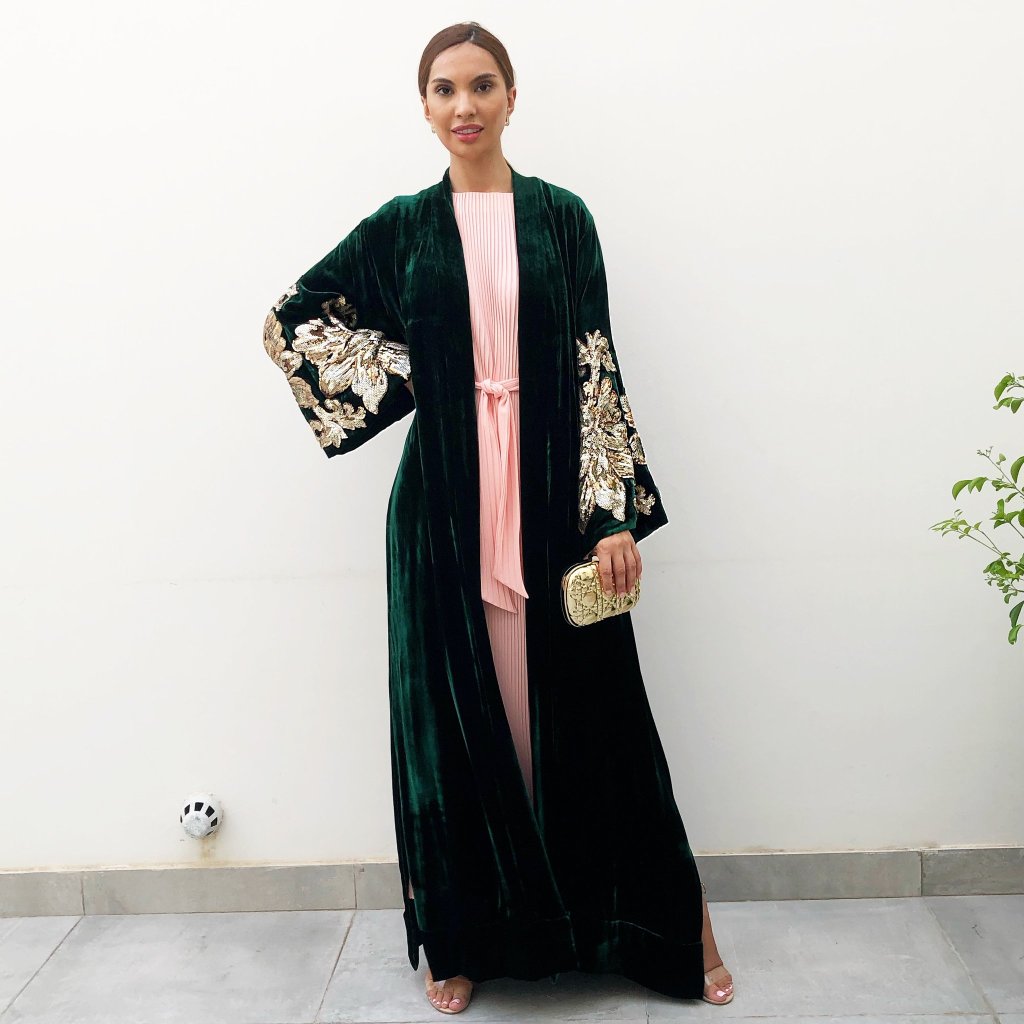
Loose and Airy
Now, the Abaya is not a separate ensemble by itself. It is just an item of clothing. You just slip on this extra covering over something that you are already wearing, but not permitted to exhibit openly. Naturally, it is loose, airy and comfortable, permitting you to breathe and move around easily. Therefore, when selecting this garment for yourself, remember to avoid something that embraces your silhouette. Furthermore, it should be lengthy enough to reach your ankles. Thus, you should be able to go about your domestic duties or tasks at the workplace, without feeling that something is coming in the way constantly!
Diversity in Fabrics
The commonest fabric that comes into play is Lexus. It refers to 100% polyester material, which is hand woven, smooth and soft, with a matte finish. Since you have to don the Abaya in all seasons, it helps that this fabric is pliable and lightweight in nature. Royal Nida is also 100% polyester, albeit with a silky softness that feels extremely cooling to the skin. If you find 100% polyester material, which is thick and slightly weight, you are favouring Internet Crepe. The fabric, with its shining overtones, is rather slippery to the touch. It is great for the colder days of the year. If you opt for Poly Crepe, you will love the lightweight material, with its smooth matte look, draping itself lovingly around your body!
Pebble Poly Crepe material is hand-woven fabric, which lacks the smoothness of Poly Crepe. In contrast, an Abaya made from Satin is slippery, soft and shiny in appearance. Chiffon is see-through fabric, which is also flowy and lightweight in nature. Therefore, you must have a slip or under dress in place. Finally, there is Jersey fabric, which is stretchable. It is knitted material, which displays a superb drape quality.
Common Colours
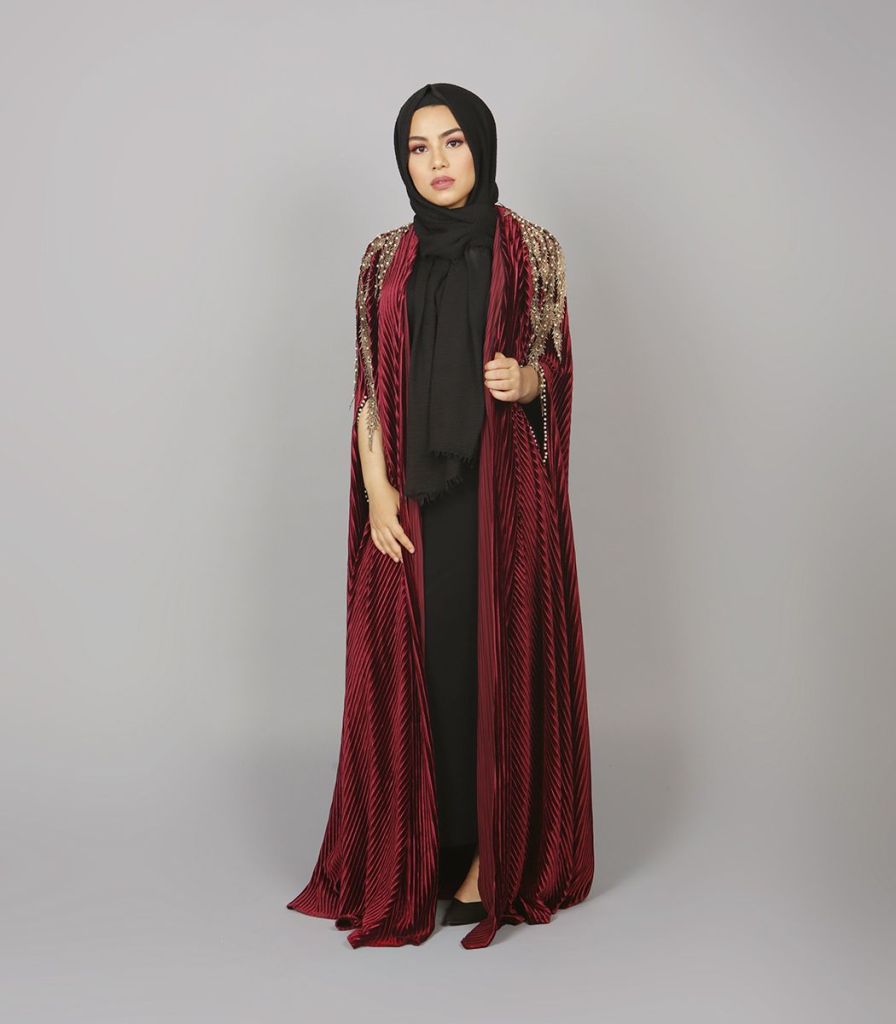
If you were the conservative kind, you would stay with the traditional black. This is because the colour tends to make you believe that you are well associated with Islamic society. Then again, it helps that the plain background is often broken with lacy designs, intricate embroidery or various types of embellishments. This awards the simplest of clothing a rather classy look. However, more and more bold women are coming forward to display the Abaya in a range of colours and shades. They are experimenting with add-ons too. You might like to emulate their example.
Hitherto, the ageless Abaya has always displayed a traditional look. In contemporary times, however, this garment has acquired a distinctive character in the world of feminine fashion.
 Miss Fashion Smoke Blog
Leave a comment