
A lehenga choli is a dress that emphasises a woman’s beauty and grace. Since its inception, this Indian cultural ethnic wear has enticed nobility and royals. Its origins can be traced back to India’s mediaeval period. Though there aren’t many proofs, it’s thought to have been adopted into Indian women’s clothes during the Mogul era. Even back then, it was only worn on exceptional occasions, and this custom has continued to this day. Lehengas are the most traditional and popular bridal trousseau for both traditional and modern brides. The customs and traditions of India are diverse, and they vary by location. The women of Rajasthan and Gujarat are known for wearing lehengas. Even during the historical ages, they were fond of this combination. It was constructed of Bandhani, or tie-dye fabric, which was popular among these women. It was, in reality, the most traditional and classic style that pervaded this ensemble.
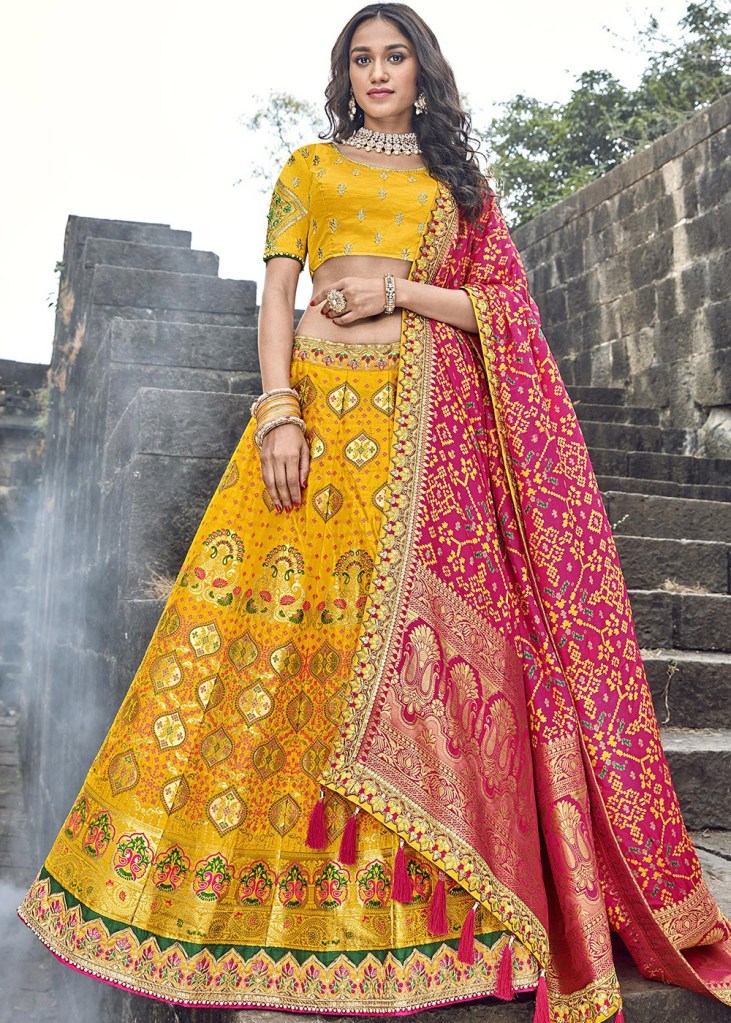
Its origins may be traced back to the time when the Moguls governed these territories, as well as other parts of the country. The emperors of this dynasty were famed for their extravagant clothes. Fine craftsmanship was introduced into the mainstream of Indian textiles, and when this was combined with traditional Indian arts, gorgeous Indian lehengas were produced. With their gorgeous designs and cuts, this attire has long piqued the interest of Indian women. Lehengas made of cotton fabric was used in the earlier form of this outfit. However, during this country’s mediaeval period, costly textiles such as silk and brocade were often employed to create royal finery such as lehenga cholis. Even during that time, they were popularised as a wedding trousseau for brides.
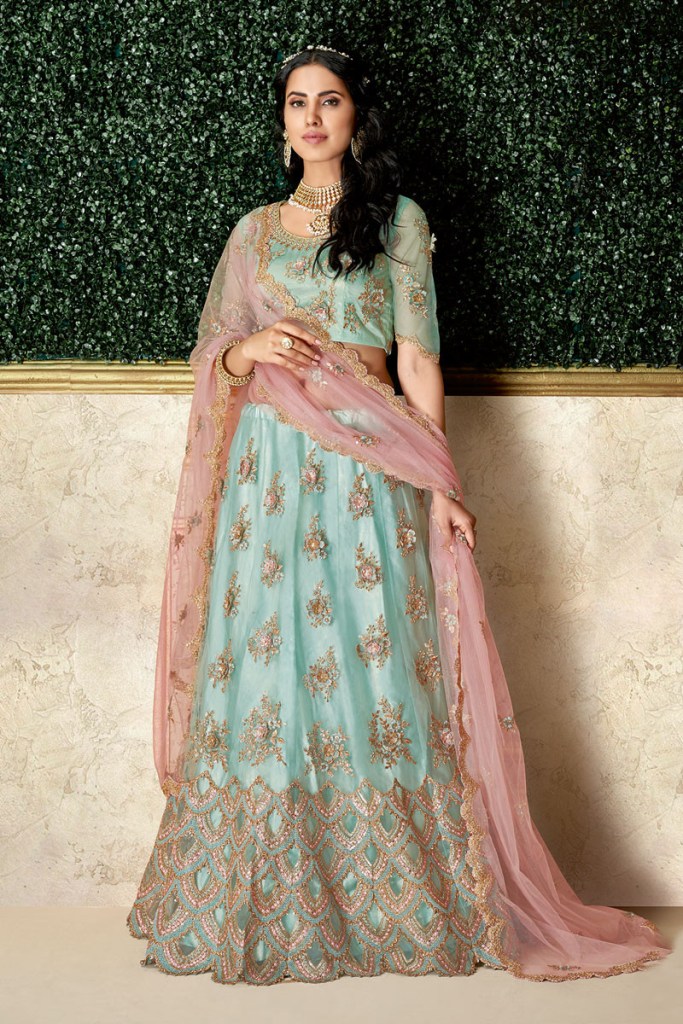
Surprisingly, the form of this Indian couture costume has not evolved considerably over time. It’s always been a three-piece outfit with a long flared skirt, a choli-style top, and a dupatta draped gracefully over them. Their styles, on the other hand, have evolved over the decades. Indian lehengas now come in a wide range of styles, including fish cut, A-Line, and straight lehengas cholis. The original version of this costume inspired all of these styles. Lehenga designs have been reminiscences of rich Indian culture throughout history, as seen by their beautiful weaving and handwork. The embroidery and embellishments on them are still based on traditional themes from the mediaeval period.
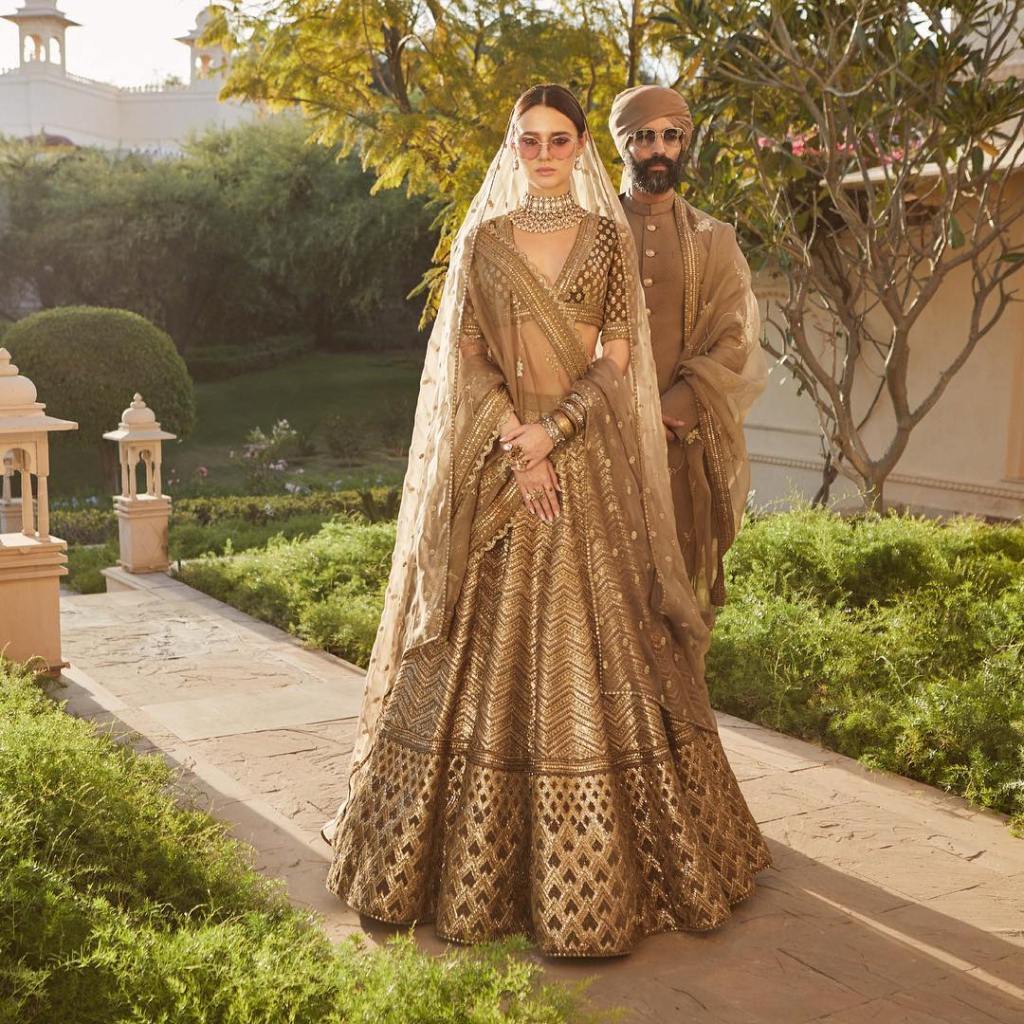
In silk with zari embroidery or work, they ooze total charm and elegance. Classy lehengas were constructed entirely of pure silver and golden zari threads adorned with priceless stones during the early phases of its history. As a result, they were exclusively available to the wealthy. Others like basic cotton lehengas cholis with mirror work and hand stitching. However, as fashions changed, they made their way into Indian women’s traditional attire, with inexpensive copies being developed for them. Indian lehengas’ dupattas have also developed from traditional silk and linen to more contemporary chiffon. Even though lehengas have a short history, they have never failed to entice ladies with their delicacy and beauty.
 Miss Fashion Smoke Blog
Leave a comment