
The hijab holds great significance for many Muslim women globally. As a symbol of faith and modesty, the hijabs lets women express their religious beliefs freely. By learning about the hijab’s history, cultural impact, and variety of styles, you can better appreciate the importance this head scarf has in Muslim women’s lives.

What Exactly is a Hijab?
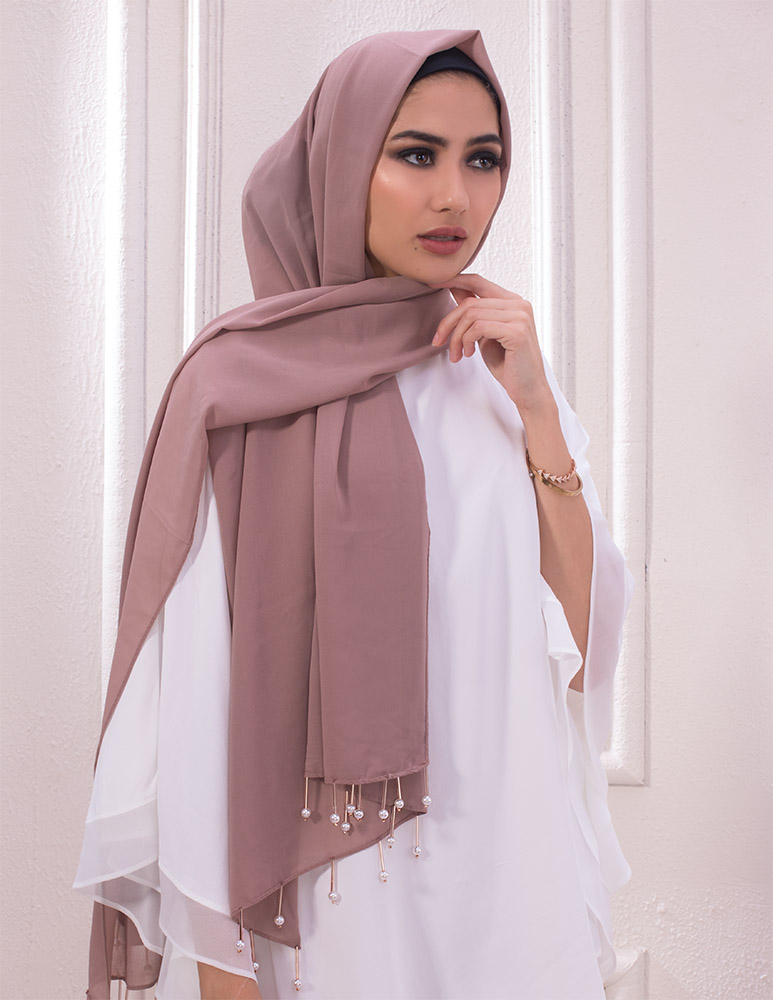
The hijab refers to a scarf or head covering that some Muslim women choose to wear for religious regions. The hijab signals the wearer’s dedication to dressing and presenting themselves modestly. Although not strictly required by Islam, many women voluntarily wear the hijabs as an act of faith or personal preference. When worn, the fabric covers the hair, neck, and chest fully.
The most classic hijab color is black, but contemporary styles come in many colors and patterns too. Common shades include dark neutrals like grays, browns, navy blues and whites. Vibrant hues and bold prints have also emerged in modern fashion. But no matter the exact style, the hijab allows women to focus on building their character rather than superficial appearance.
Top Reasons Muslim Women Wear the Hijabs
Donning a hijab gives Muslim women various benefits:
Protection from Sun Damage
Firstly, the hijab shields skin and hair from sun damage, including premature wrinkles, dark spots, and skin cancer risks. The fabric barrier blocks intense ultraviolet radiation coming from sunlight. As an extra safeguard, sunscreen should still get applied to exposed areas like the face and hands. The hijab also prevents split ends, dryness, and other environmental damage to the hair strands themselves. Those who wear it tend to have healthy, lustrous locks as a result.
Radiant, Youthful Complexion
By screening out UV rays, the hijabs helps create a more even skin tone and reduces acne breakouts or scarring. Skin takes on a luminous, smooth look instead of appearing weathered.

Eye Protection
Especially useful for contact lens wearers, the hijab safeguards sensitive eyes from harsh sunlight. It prevents damage to contacts themselves and irritation to the eyes.
Freedom of Personal & Cultural Expression
Most importantly, wearing an ornate hijabs lets Muslim women proudly embrace their faith through dress. The hijab allows full freedom around expressing cultural identity, values around modesty, and human rights.
Signature Hijab Styling Trends
From timeless conventions to cutting-edge looks, Muslim women have countless stylish ways to wear the hijab.
The Classic Hijab Style
The traditional style centers on an elegant black scarf long enough to fully drape the hair and shoulders. This gets combined with conservative ensembles like loose dresses, pants, long tunics or abayas to craft a modest, polished look suitable for formal settings. It makes a graceful mark of faith.
On-Trend Hijabs
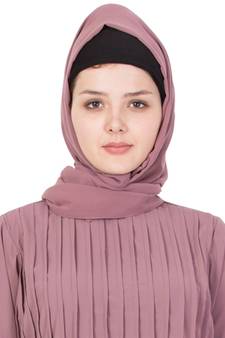
Contemporary hijabs use lighter, breathable natural fabrics like cotton and linen for weather-appropriate ease. Scarf lengths fall around or above the shoulder line instead of lower down the torso. Flowy blouses and tops provide stylish coverage as dresses get replaced altogether. This fashion-conscious spin seamlessly fuses faith and personal flair.
Finding Your One-of-a-Kind Hijab Style
Online boutiques like Mirraw showcase the latest hijab fashion – from street wear looks to fancy silks with embroidery. Physical shops focused on modest styles also have diverse options. Browse online or in-person to find a trendy hijab matching your taste that makes you glow.
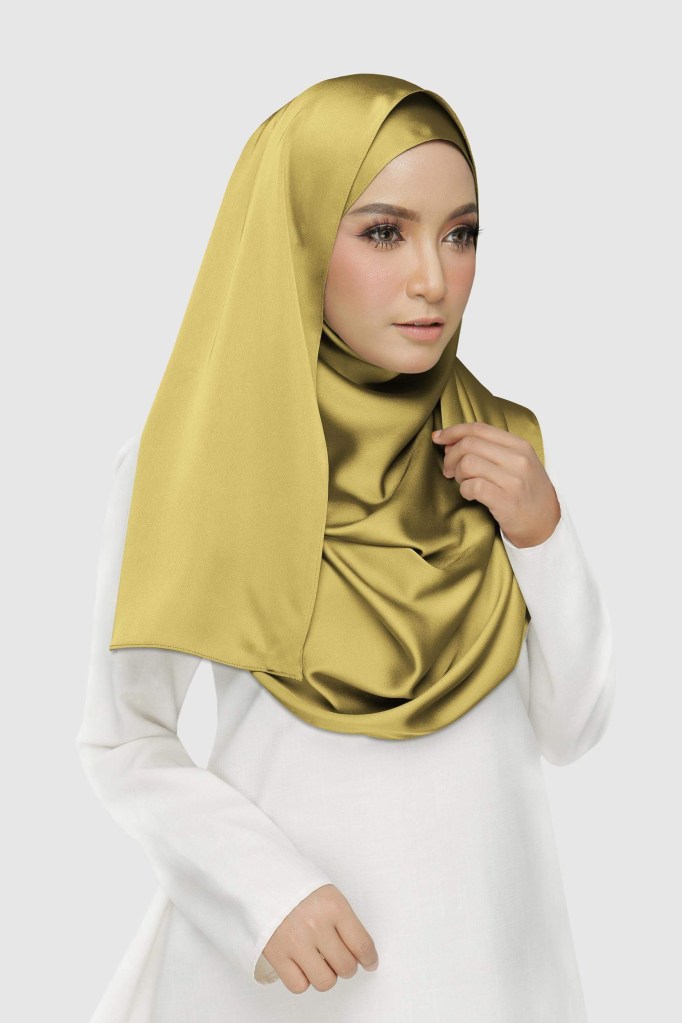
In short, the functional hijab lets women worldwide openly embrace their faith through meaningful fashion. Learning about the cultural roots, practical benefits and different wrappings of the hijab helps us respect its vital role. Whether you wear it yourself or support someone who does, appreciating what the hijab signifies advances positive social change.
Keep looking until you discover that perfect hijab that feels like you. With an open heart, you can find a hijab style aligning with your beliefs and personal flair. This makes you feel confident and true to yourself.
 Miss Fashion Smoke Blog
Leave a comment