
The burqa, an ankle-length dress worn by some Muslim women in parts of the Middle East and South Asia, offers meaningful glimpses into the diverse cultures of these regions. Traditionally, women pair the loose, covering burqa with a hijab headscarf when out in public or religious settings. By wearing the burka, women demonstrate time-honored core values of humility, grace and modesty esteemed in their faith and communities for generations.
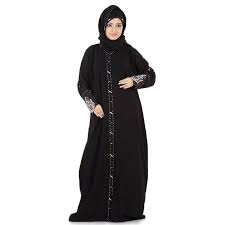
From intricately stitched or embroidered fabrics to vivid natural-dyed colors, burqas relay cultural pride and personal expression. Styles vary widely too, from the common blue Afghan chadri to the midi-length Egyptian meel. Echoes of rich cultural heritage have been woven into each thread over centuries.
When you see women donning the burka with quiet elegance, understand it honors ingrained customs and identity. Appreciate that for generations, mothers, grandmothers and daughters have proudly passed down and worn flowing burqas made with love. Respect that wearing the burqa manifests virtues of dignity, spirituality and sacred moral codes. Learn how fabric veils over faces actually convey our shared humanity rather than erase identity.
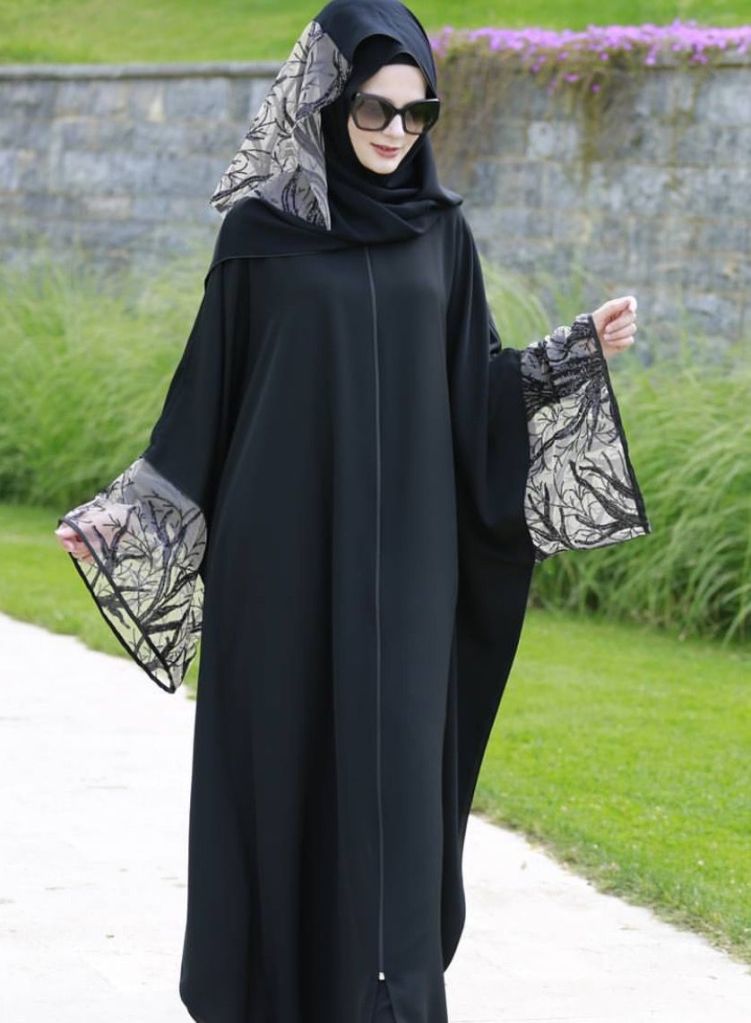
Let the visual of the burqa broaden your perceptions, stirring acceptance and compassion for cultures differing from your own.
Exploring the Complex History Intertwined With the Burqa
As you trace the mythical origins of the billowing burqa, you unravel rich tales interlacing legend, faith and womanhood. Different stories relay how the burka first cloaked wearers in anonymity ages ago.
Some accounts cite upper social classes in ancient civilizations pioneered its use, which later permeated all of society over time. Or the modest burka first arose amidst Prophet Muhammad’s inner circle, reportedly donned by his wife Aisha when going to the mosque for prayers – cementing its affiliation with Islam.
Other narratives tell of Muhammad returning from his final sacred Hajj pilgrimage to followers offering lavish gold jewelry and ornaments. Frowning at the extravagance, he bestowed humble burqas so all women, regardless of means, could share equality under shapeless fabrics.
And woven within these enduring stories, you find poignant paradoxes — the burka as a tool of both concealment yet personal identity, of pious humility while emanating immense dignity. The burqa’s physical presence seems to erase the wearer, yet blossoms her core values outwardly.
Its fuzzy origins prove illusory — no firm “first wearer” emerges. But collective myths around its emergence resonate deeply, speaking to the deeper mores binding generations who share its legacy. You seek absolute clarity on the burqa’s genesis yet find only gossamer traces lost to history’s mists. But in legends blurring fact and lore, you discover the rich humanity and womanhood interlacing this most culturally veiled garment.
The Layered History in the Burqa’s Fabrics
As you study the billowy burka, consider the layered history wrapped up in its fabrics cloaking women beneath. Traditional burkas across regions use light, breathable cloth to shroud bodies in mystery. Custom colors the fabric’s external hue – rich chocolate browns and sand beiges swathing Arab streets, inky blues and blacks draping Afghan hills.
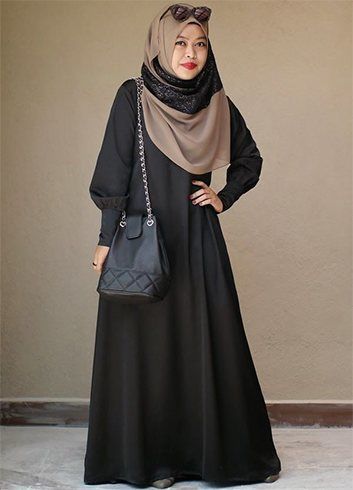
Many then personalize the burqa’s anonymity with identity using headscarves, wrapping hair in vibrant cotton prints or soft woolen textures. Some add a silken floral dupatta scarf too, offering a hint of personal style peeking out. For more coverage, additional outer cloaks may cascade down, diaphanous fabrics clouding sides or trailing legs.
Yet no matter the cultural palette coloring a burqa’s veil, make no mistake – it speaks volumes about the woman within through subtle stylistic choices brushing her skin. Stitching together religious beliefs, personal preferences, and regional mores, a burqa’s fabric intricately encapsulates generational bonds and diverse cultural tapestries. It publicly erases a woman’s body yet gives outsiders glimpse into her spirit underneath. As you pass burqa-draped strangers who could be sisters, ponder what stories their fabrics veil or reveal as they walk on by.
 Miss Fashion Smoke Blog
Leave a comment