
The abaya has gone through quite a journey! From ancient Arabia to modern cities, its story traces the cultures it’s part of. This flowing robe shifted from practical clothing to fashion symbol. Let’s travel through time to see how the abaya changed. Way back in history, Arabian desert culture used the abaya dress for protection. Imagine all that wind and sand! The long dress shielded people from harsh weather. Interestingly, before Islam, it was more about function than faith. In the 7th century, Islam arrived and emphasized modest dressing. The existing abaya fit well with this new guideline. Over time, it became linked to Islamic piety and morals, especially in Arabia. But rules weren’t always strict. Some Muslim places had colorful, patterned abayas. Others stuck to plain black ones. There were cultural differences in interpretation.
Still, the abaya dress endured as an Islamic clothing item. As fashions shifted, it maintained religious ties. But new meanings emerged too. The 1900s brought tons of change, and the abaya transformed too! Western fashions entered the Middle East, mixing with traditional styles. The core of the abaya remained, but suddenly it got super stylish! Goodbye plain black robes. Designers made new abaya cuts and fabrics with beautiful embroidery. Luxury brands even started offering fancy abaya fashions in the 2000s.
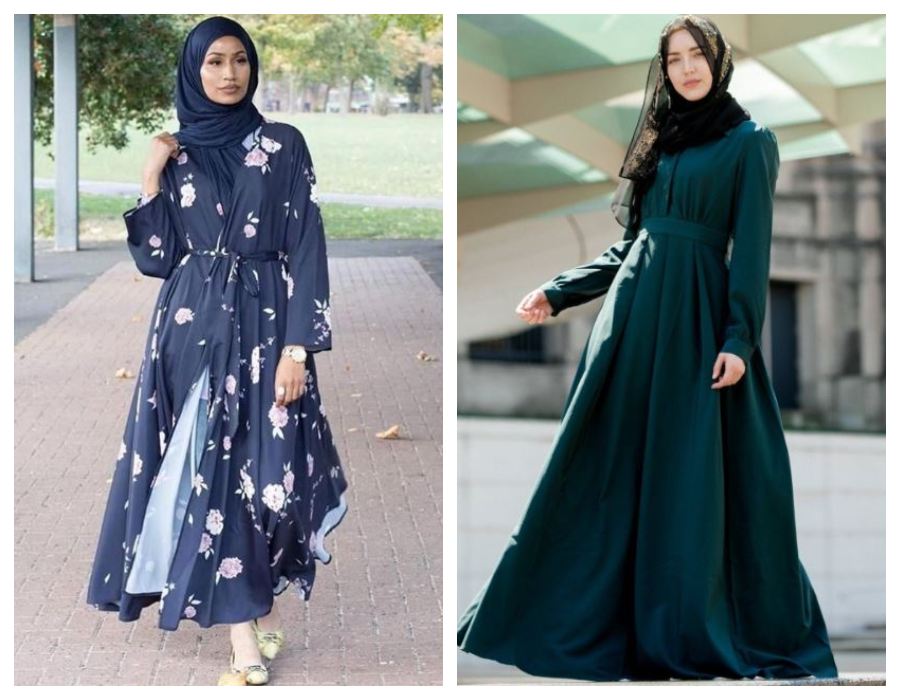
The abayas also varies across the Muslim world. From Morocco’s “djellaba” to Indonesia’s “kebaya”, each place adds cultural touches. Like in the UAE, richly decorated abayas show off prosperity. But in stricter areas, simpler abayas represent traditional roots. The abayas reflects each region’s history and values! So the abaya dress went from practical desert wear to religious symbol to fashion statement. But it still maintains ties to Muslim culture as societies modernize. The abayas evolution shows fashion interacts with faith and tradition in creative ways!
Now we’re in today’s world, where the abaya blends tradition and trends.
In Riyadh, a teenager’s glittery abaya matches her modern life. In Jeddah, a woman wears a colorful cloak fit for 2023. Digital culture has changed how the abaya is seen and styled. Yet it still represents identity. For many, it’s not just fashion – the abaya connects them to roots. Its drapes hold stories of the past and dreams of the future. Through all its changes over history, the abaya remains an important cultural and religious symbol for Muslim women. It made quite a journey – from ancient Saudi sands to the global runways of today!
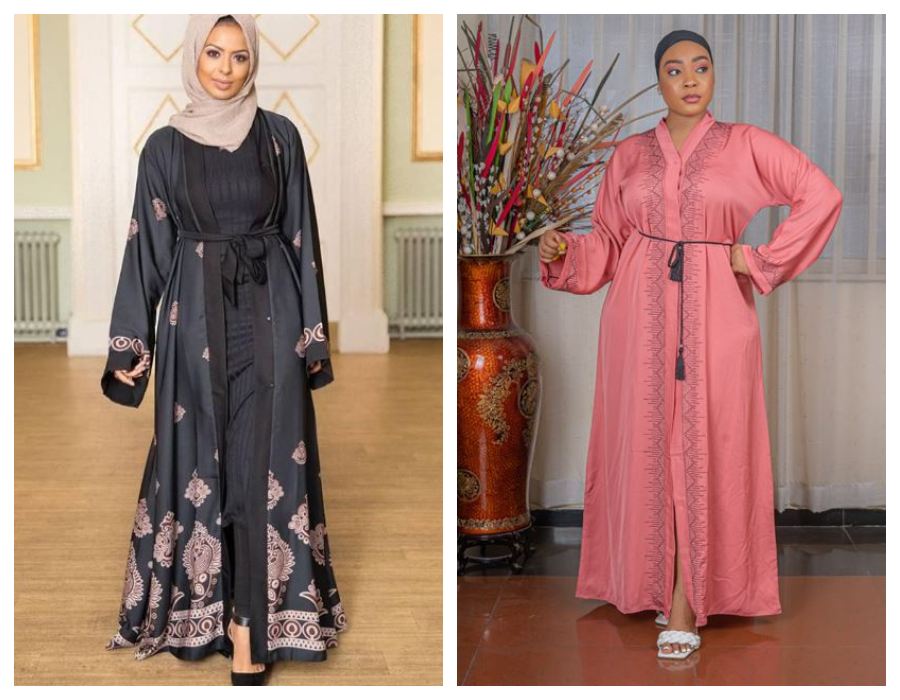
Where will it go next? Fashion, like history, is always shifting. The abaya’s evolution is a mystery we’ll have to wait and see unfold! One thing is sure – this flowing garment will continue speaking to heritage and individuality. The abaya dress has captivated generations, while adapting its style and meanings.
 Miss Fashion Smoke Blog
Leave a comment