
The Islamic abaya is more than just a piece of clothing! It might look like a long, flowing black dress. But it has a much deeper meaning in the Muslim world. Let’s explore the interesting stories behind this garment.
First, the abaya shows a woman’s devotion to faith and modesty. The Qur’an tells people to dress modestly. So in many places, Muslim women wear the abaya to follow this teaching. Even though the Qur’an doesn’t talk about the abaya specifically. Over time, it became a symbol of living a faithful life. Religious symbols are important in cultures where faith is central. And clothes are a powerful symbol for women. But abayas aren’t all the same! Step into Saudi Arabia and you’ll see regional styles. The Najdi has triangle sleeves. The Hijazi has an open front. These differences reflect local history, climate, and traditions. It’s about identity – both national and personal. The same garment becomes unique across regions. And for many women, wearing the abaya dress is personal. It shows their beliefs, heritage, and individuality. It’s not just about following rules. This Islamic clothing allows a woman to express who she is!

So you see, the abaya dress has rich cultural meaning. It’s a flowing fabric that tells stories of faith, identity, and self-expression!
Now let’s look at the abaya in modern times – it’s gotten more stylish but also controversial! Today, abayas come in all sorts of designs thanks to fashion designers. You can find sparkly, decorated abayas with crystals, flowers, and lace. This is new – in the past, abayas were very simple black robes. Some people wonder – are these fancy abayas still about modesty and faith? Or are they more about making a fashion statement and showing Islamic pride? There’s also debate from a women’s rights view. Some see the abaya as oppressive – forcing women to cover up. Others say it’s empowering – women choose to wear it to claim their cultural style, not follow Western fashions.
So the abaya took on new meaning around the world too. In the West, it was often seen negatively – a sign of backwardness or repression. This lacked understanding. But now with global fashion shows, Western designers are making cool abaya dress styles. So the world is seeing the abaya as chic fashion, not just a religious outfit.
The abaya dress has come a long way! From a simple robe, to a cultural symbol, to a modern fashion icon. Its story shows how clothes express faith, identity, freedom, and beauty across changing times. Fashion and politics often mix together. And the abaya gets pulled into this too! In places where women must wear abayas, some find clever ways to resist. They pick colorful shoes or patterned purses to show their personality. Or they add tiny embroidered designs to the black fabric.
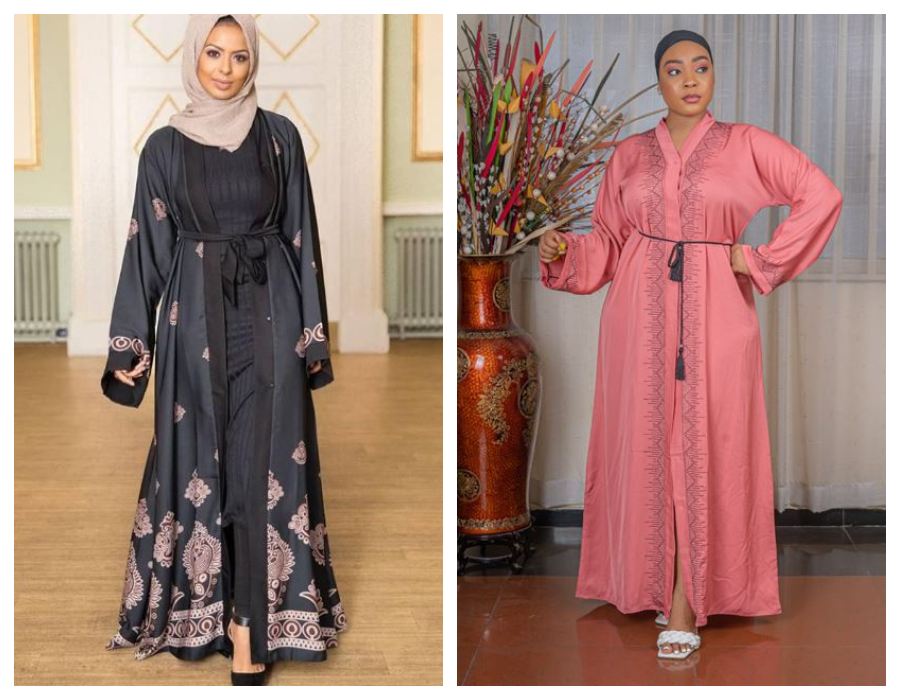
For these women, every visible inch is a chance to quietly shout “I’m an individual!” It’s their way to push back against having to dress the same as everyone.
So you see, the abaya has many layers beyond the fabric (which is usually black by the way). It shares stories about beliefs, traditions, identities, and how society changes. Its meaning is as dynamic as the women wearing it – always evolving, mirroring how the larger world transforms. As cultures grow and adapt over time, the abaya’s place will change too. Because it’s more than cloth. It’s an entire culture!
The abaya has a rich past and future. Its folds and drapes hold so many fascinating tales if you just look closely!
 Miss Fashion Smoke Blog
Leave a comment