
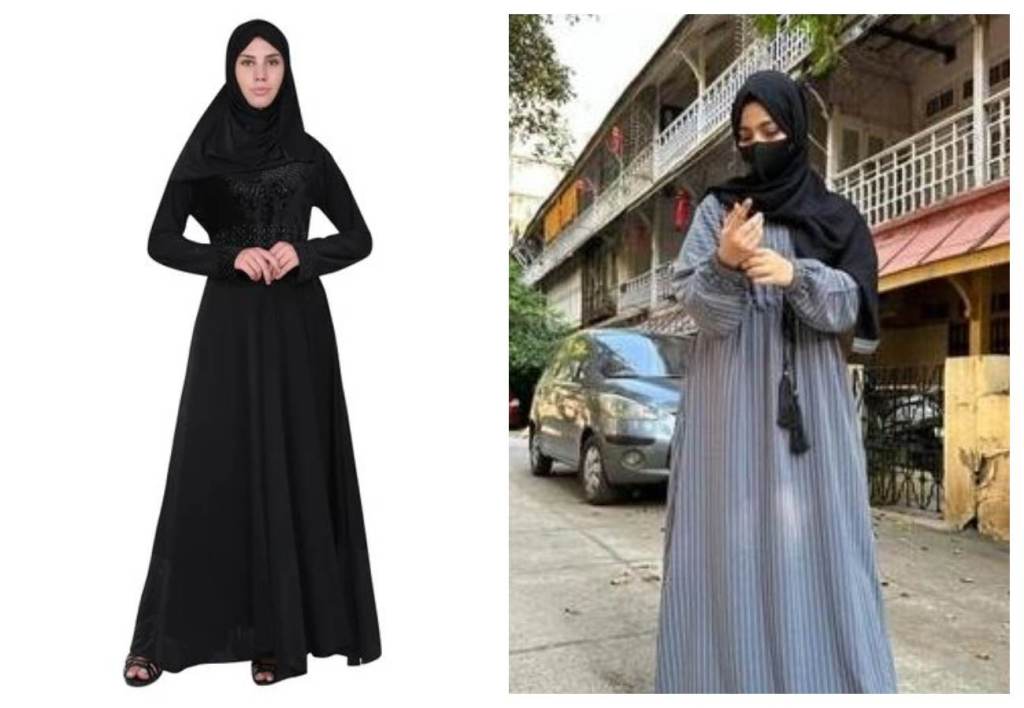
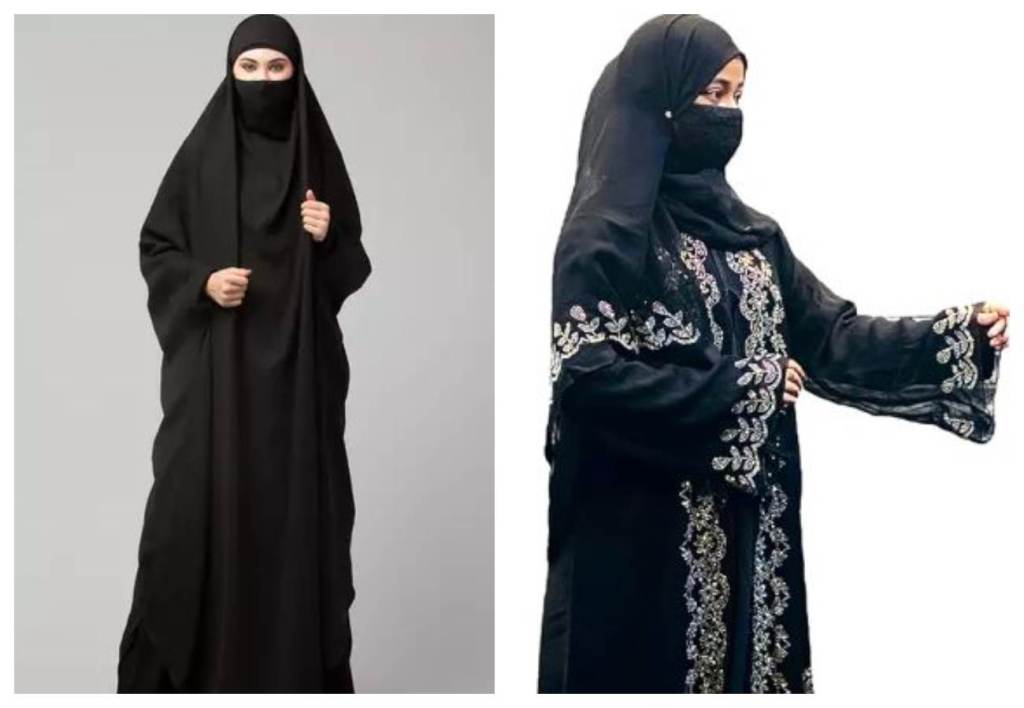
The burka is a garment worn by some Muslim women that covers their entire body including the face. It has a mesh screen over the eyes so the woman can see out while people cannot see her face. The burka is usually worn with a headscarf or hijab.
There are several reasons why Muslim women choose to wear the burka:
Religious Obligation
Many Muslim women wear the burka because they believe it is a religious obligation mentioned in the Quran. Verse 33:59 states that believing women should “draw their outer garments around them (when they go out or are among men)”. Some Islamic scholars interpret “outer garments” as including the burka or niqab which covers the face. Women wear it as part of fulfilling their faith.
Modesty
The burka is seen as promoting modesty and privacy which are highly valued in Islam. The concealing garment protects women’s modesty and avoids attracting sexual attention in public. It prevents the focus from being on physical beauty. Wearing the burka is a way for women to practice humility and inner spirituality versus outward appearance.
Avoid Harassment
Unfortunately, many Muslim women face harassment ranging from stares, comments, catcalling or even assault if they do not cover up fully. Wearing the burka helps avoid unwanted male attention in public spaces. The anonymity it provides gives women confidence to go out without fear of harassment.
Cultural Expectations
In many conservative Muslim societies, it is considered proper decorum for women to wear burkas in front of men who are not close family. There immense socio-cultural pressure on women to conform and wear burkas to maintain family honor. Taking it off can lead to stigma or consequences in certain communities.
Protect From Gaze of Unrelated Men
The burka visually shields women from the gaze of men who are not mahrams i.e. someone she can marry. Some schools of Islamic law hold that women should cover themselves in the presence of non-mahram men. Wearing the burka prevents women from being seen by such men.
Preserve Beauty for Husband
Some cultures prescribe burkas to preserve a woman’s beauty exclusively for her husband’s enjoyment. Wearing the veil means only the husband can see her face which upholds his position. The burka signals she is owned by her husband and for his eyes only.
Symbol of Piety
In certain communities, donning the burka is seen as a sign of extreme piety and devotion. The more covered a woman is, the more righteous she is assumed to be. Wearing the burka earns public esteem as an exceptionally pious woman who has dedicated herself fully to Islam.
Protection from Sun/Dust
In hot, arid climates the burka provides protection from the harsh sun and sandstorms. Having the entire body and face covered is practical for women working outdoors in fields or the desert. It serves as a protective garment in such environments.
Anonymity in Public
Some women prefer being anonymous in public spaces for safety or to avoid acquaintance. Wearing the burka allows them to go out without being recognized or approached by neighbors and relatives. The veil gives them more personal freedom.
Political Statement
In some cases, donning the burka is a political statement and symbol of resistance. During the Taliban regime in Afghanistan, wearing it signified solidarity with the mandated oppressive laws. In western countries, it represents rebellion against secular values or ownership of identity.
While there are legitimate reasons why women choose to wear the burka, the practice remains controversial. Critics argue it is oppressive and patriarchal, restricting women’s freedom and rights. But many Muslim women assert it is their choice and argue banning it is equally anti-feminist. Ultimately, a woman should have the freedom to decide for herself. The burka has multiple meanings across different cultures, communities and for each individual woman.
 Miss Fashion Smoke Blog
Leave a comment