
The Moroccan caftan, also known as a kaftan, is an elegant, flowing robe-like garment that is a major part of Moroccan culture and fashion. Caftans come in a vibrant array of colors, fabrics, embroideries and styles, making each one unique.
Origins of the Kaftan
The Kaftan has a long history in Morocco and can be traced back to the dynasties that ruled Morocco many centuries ago. Over the years, the style evolved with influences from different cultures and fashions. Originally, the caftan was worn by both men and women of high social status before becoming primarily a women’s garment.
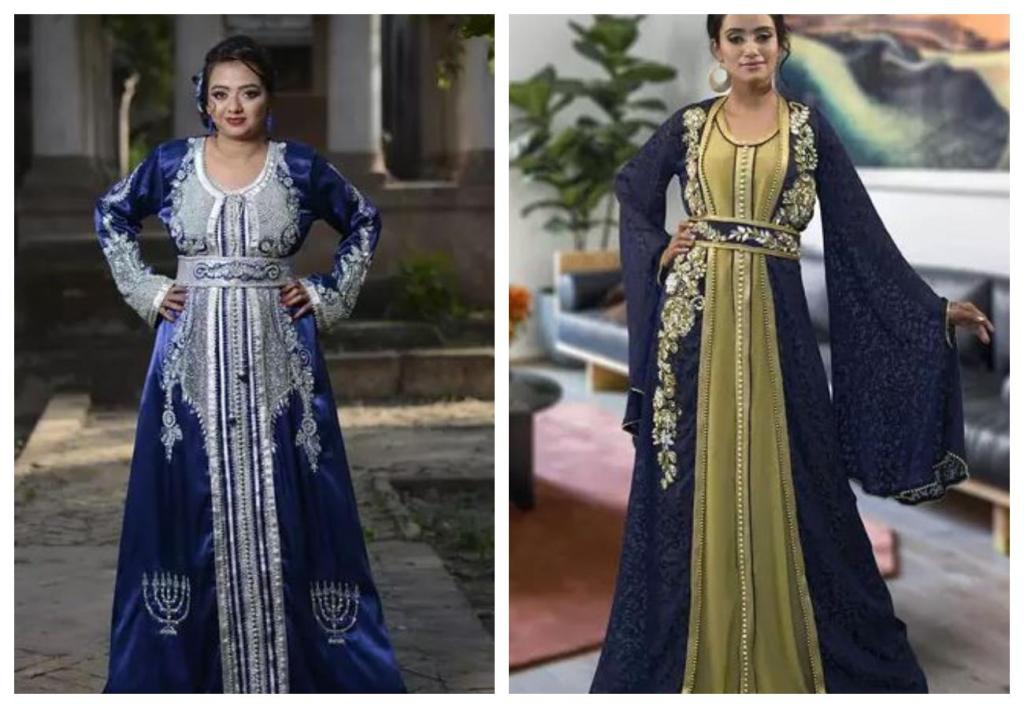
Today, the caftan remains a symbol of Moroccan heritage and style. Moroccan women take great pride in their caftans which they make from high quality fabrics and embellish with ornate embroidery and other intricate details.
Fabrics and Embellishments
Two primary fabrics used to create caftans are satin and velvet, both which drape beautifully on the body. Other fabrics include crepe, silk, and lace. Most caftans feature vivid colors with embroidery covering the neckline and cascading down the front.
Gold thread is integral to most embroidery designs. Other embellishments found on caftans are sequins, crystals and semi-precious stones. The more ornate the caftan, usually the more formal the occasion where it will be worn.

Different Styles
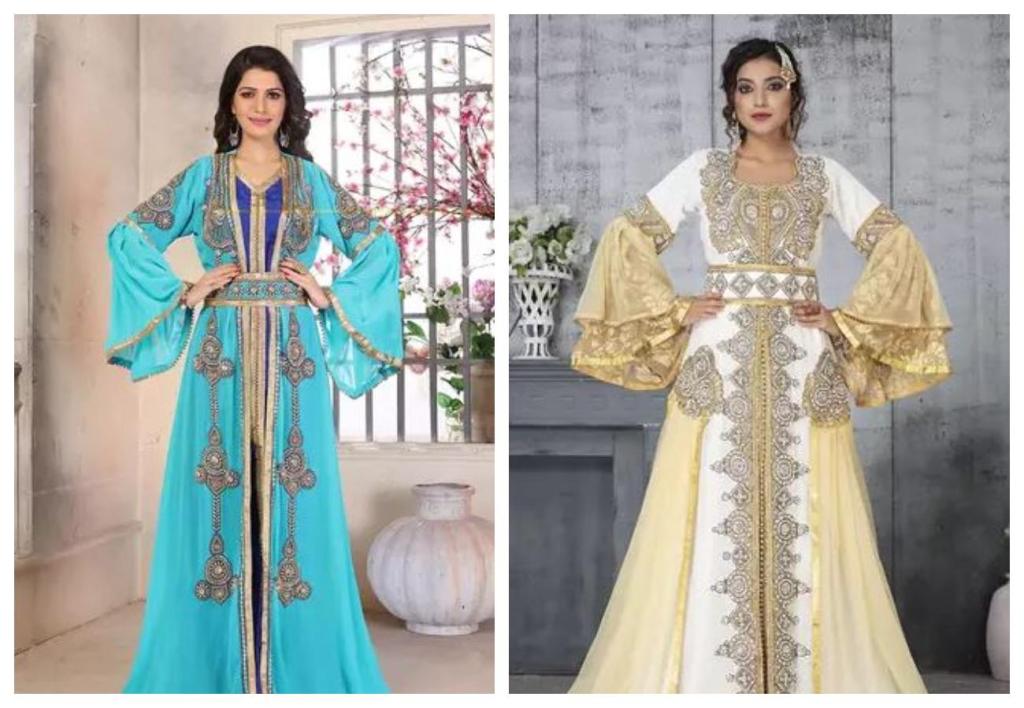
There are several major styles of caftans found across Morocco. The Takchita is a formal caftan made of satin or velvet worn by city women to special events. It is usually in one solid color and features intricate gold embroidery.
The Djellaba is traditionally worn by village women. It is loose fitting with a pointed hood and can be worn open or belted. Djellabas come in many bright colors and patterns.
The Beldia caftan originated from the city of Fez. It drapes close to the body and has slits up the arms. The embroidery patterns are more geometric rather than floral.
The Gandora is a lightweight caftan for warm weather. It is made of printed cotton, wrap style with short sleeves.
The Melhfa caftan is worn by Berber women. Often white or black, it is very plain with only a strip of embroidery along the seams.
Caftans for Special Occasions
In Moroccan weddings, the kaftan is the highlight of the bride’s attire. Her Moroccan caftan is usually white satin with gold thread embroidery covering the entire garment. It may take many months for artisans to hand sew the detailed designs. The wedding kaftan is always stunning and meant to be treasured forever.
Moroccan women also have luxury caftans made specially to celebrate important religious holidays like Eid or family events like a new baby. These caftans become family heirlooms passed down to daughters and granddaughters.
Modern Fashion and Culture
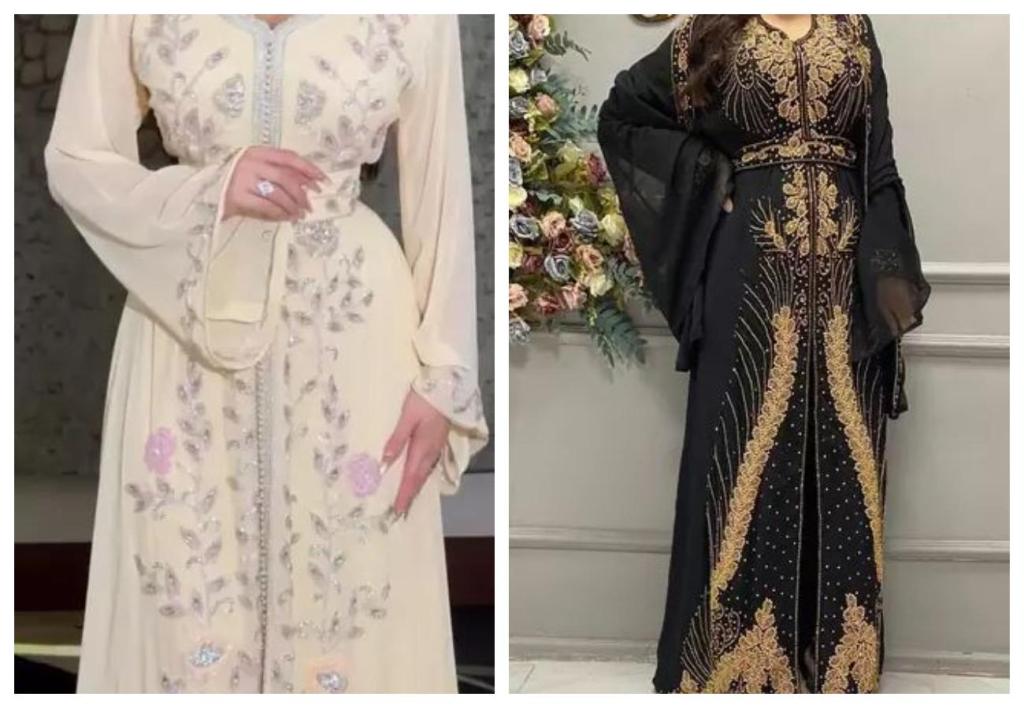
While traditional handmade caftans are still popular in Morocco today, modern versions are now common as well. Contemporary Moroccan designers create caftans from a wide range of fabrics including jersey and lace, adding their own creative touches.
In recent years, caftans have exploded in popularity globally as a glamorous cover-up to wear over swimsuits or as a comfortable at-home lounge outfit. Both luxury designers and fast fashion brands are offering caftan inspired fashions.
No matter how the style evolves over time, the caftan remains an iconic symbol of Moroccan heritage. The regal garment represents the richness of culture, the beauty of traditions and the artistry of Moroccan craftsmanship passed down through generations. Any woman who dons an elegant Moroccan caftan captures a sense of this history and culture with her.
 Miss Fashion Smoke Blog
Leave a comment