
Muslim men clothing has a rich history stretching back over 1400 years. Many of the traditional garments commonly worn by Muslim men today can trace their origins and influences back to the time of Prophet Muhammad in 7th century Arabia.
The most common traditional garment worn by Muslim men is the thawb or thobe, often called a dishdasha or kandura. This is a long, loose, ankle-length robe usually with long sleeves. The origins of this garment can be traced back to the tunic style clothing worn in ancient Mesopotamia and by the Sassanid Persian emperors in the centuries before Islam. These tunics were adopted as an ideal garment for the hot desert climate of Arabia. By the time of Prophet Muhammad, this style of tunic was commonly worn by Pagan Arabs. However, Muhammad preferred white thawbs as a purer and cleaner color and this set the trend for thawbs being white or light colors in many Muslim cultures.

Another essential garment is the izaar, which are loose trousers that are tied by a drawstring around the waist under the thawb. Early Muslims adopted the concept of trousers from Persian clothing, blending the Persian word “shalwar” into the Arabic “sirwal”, which evolved into the word izaar. This provided more modesty and mobility than traditional Arab garments.
In colder climates like Central Asia, long coats were worn over the thawb. These include the jubba, which is an overcoat with full-length sleeves. It is similar to the Persian pirahan. Another coat was the bisht, which had a more cape-like design. These coats trace their origins to Central Asian and Persian imperial clothing.

Muslim headwear also has a rich cultural history. The gutra is a traditional white or checkered headscarf worn by men in Arabia and the Gulf states. It offered protection from the harsh desert sun. The gutra could be held in place by the agal, a black cord. This headwear traces back to ancient Mesopotamia. The turban or imama was also commonly worn, influenced by Persian and Central Asian Islamic empires where the turban represented authority and respect. Different turban styles emerged across Muslim cultures.
Beyond the Arab world, other traditional items of Muslim dress for men emerged in places like Central Asia, Turkey and South Asia. These included long tunics like the kameez, which Muslim rulers and scholars brought to the Indian subcontinent. Central Asian horsemen wore chapan coats. Turkish fez caps and kaftan coats became iconic garments of Ottoman era Islamic empires. Later, kaftan were worn by women. Although cut for modesty, regional variations in fabrics, colors and embroidery gave traditional Muslim men clothing fashion a rich and diverse style across cultures.
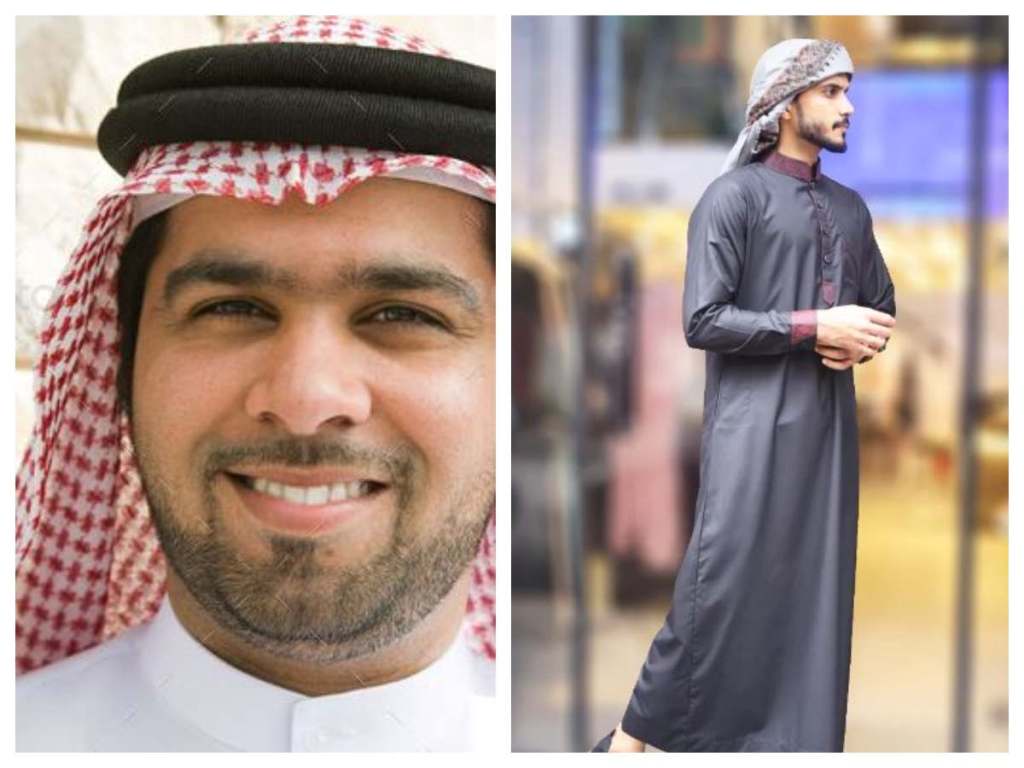
While globalization has led to Western clothing dominating many Muslim countries today, traditional garments like the thawb, bisht or turban remain proud cultural symbols of Islamic history. Muslim fashion designers are also blending traditional styles with modern fashion to create new takes on classical Islamic clothing. The origins of these Islamic clothing for men in ancient civilizations show how Muslim cultures adopted or adapted existing sartorial ideas over the centuries to create a rich and varied men’s fashion tradition expressing the diverse cultures bound by a common Islamic faith.
 Miss Fashion Smoke Blog
Leave a comment