
The abaya is a long, loose over-garment worn by some Muslim women when in public. While this basic Muslim clothing style is similar across regions, there are subtle differences in abaya fashions based on local cultures and preferences.
Gulf Region Abayas
In the Gulf countries like Saudi Arabia, Qatar, Kuwait, Bahrain, United Arab Emirates, and Oman, the classic abaya is black in color. Saudi abayas tend to be the most conservative option, with full coverage of the body and face. Some unique features include:

– Thick fabric to provide full coverage and accommodate warm climates
– Long sleeves and high necklines
– Front button fastenings or side zippers
– Intricate embroidery in silver, gold, or black thread along neckline, cuffs, and hemline
– Matching headscarves with embellishments
In other Gulf nations like the UAE, abayas for women come in an array of colors and fabrics like pastels, chiffons, silks and include more stylish accents like lace trim, beads, crystals, and sequins.
Levant Region Abayas
The Levant region encompasses Syria, Jordan, Lebanon, Palestine, and Israel. Abayas here have some similarities to Gulf abayas but also some distinct stylistic differences, including:

– Lighter weight fabrics like chiffon, georgette, and silks to match warmer climates
– Use of bright colors and prints like florals, paisleys, and polka dots
– More intricate embroidery and beaded embellishments on neckline and sleeves
– Shorter sleeves or sleeveless designs
– Front button fastenings and side zippers
– Matching hijabs in similar fabrics and prints
Egyptian Abayas
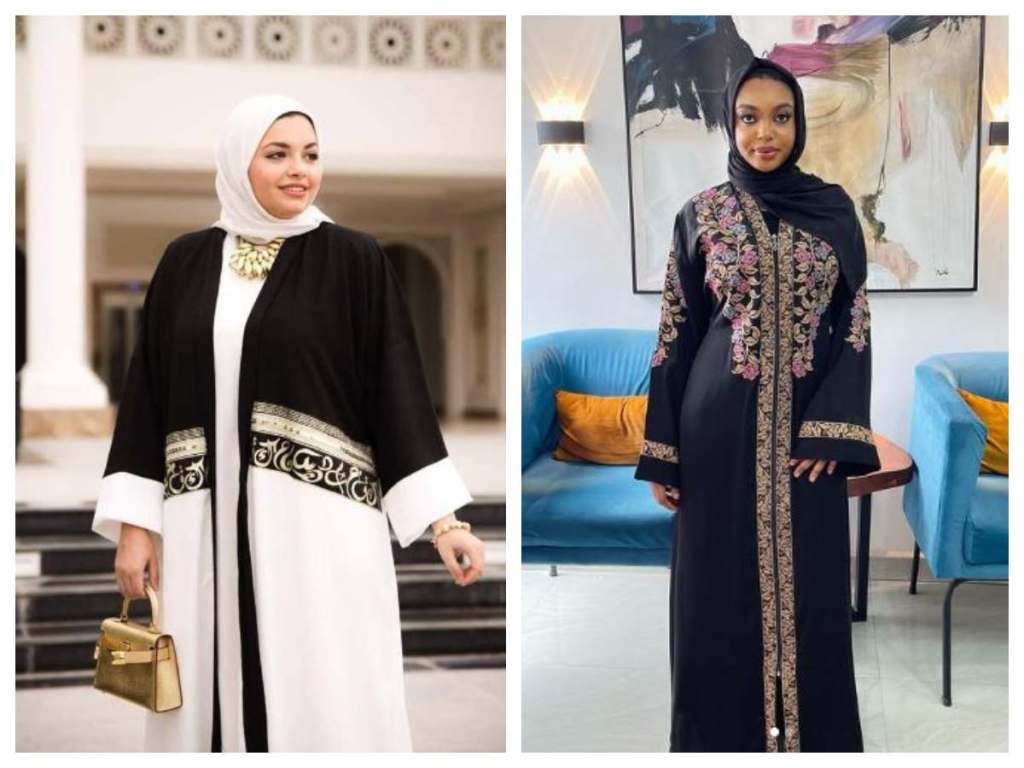
Egyptian abayas have a slim-cut style, often featuring:
– Fitted silhouettes that contour the body
– Shorter lengths that fall above the ankle
– Three-quarter or short sleeves
– Deep necklines in V, scoop or sweetheart shapes
– Front zipper or button fastenings
– High-low hemlines with longer back panels
– Beaded embellishments, lace, ribbons, and bows
– Matching slim-cut hijabs
The use of black see-through fabrics with lining is also popular, allowing hints of skin or clothing to show through the overlay.
Southeast Asian Abayas
In Muslim-majority countries like Malaysia, Indonesia, and Brunei, abayas come in an array of colors, fabrics, prints and styles adapted to tropical climates, for example:

– Lightweight and breathable fabrics like chiffon, georgette, and cotton
– Floral motifs, batik prints, and embroidery
– Short sleeves or sleeveless cuts
– Front zip and button fastenings
– High-low hemlines
– Colored hijabs in matching fabrics
There is less strict adherence to all-black abayas than in the Gulf region. Younger generations in particular wear abayas in varied cuts and styles that align with global fashion trends while retaining religious modesty.
So while the core idea of the abaya remains the same across Muslim communities, regional cultures, climates, fashion tastes and religious interpretations introduce diversity. In every region, however, the abaya allows women to balance religious values, personal style and cultural pride.
 Miss Fashion Smoke Blog
Leave a comment