
As of 2026, the average shopper is increasingly diligent in their shopping behavior than ever before. One of the largest decisions faced when purchasing a georgette lehenga is whether to purchase a hand-made or machine-made design. Although both types of designs can look good and be functional, differences can exist in the areas of craftsmanship and quality, pricing, and emotional value. Understanding these differentials enables the consumer to make educated purchasing decisions based on budget, intent of purchase, and individual style.
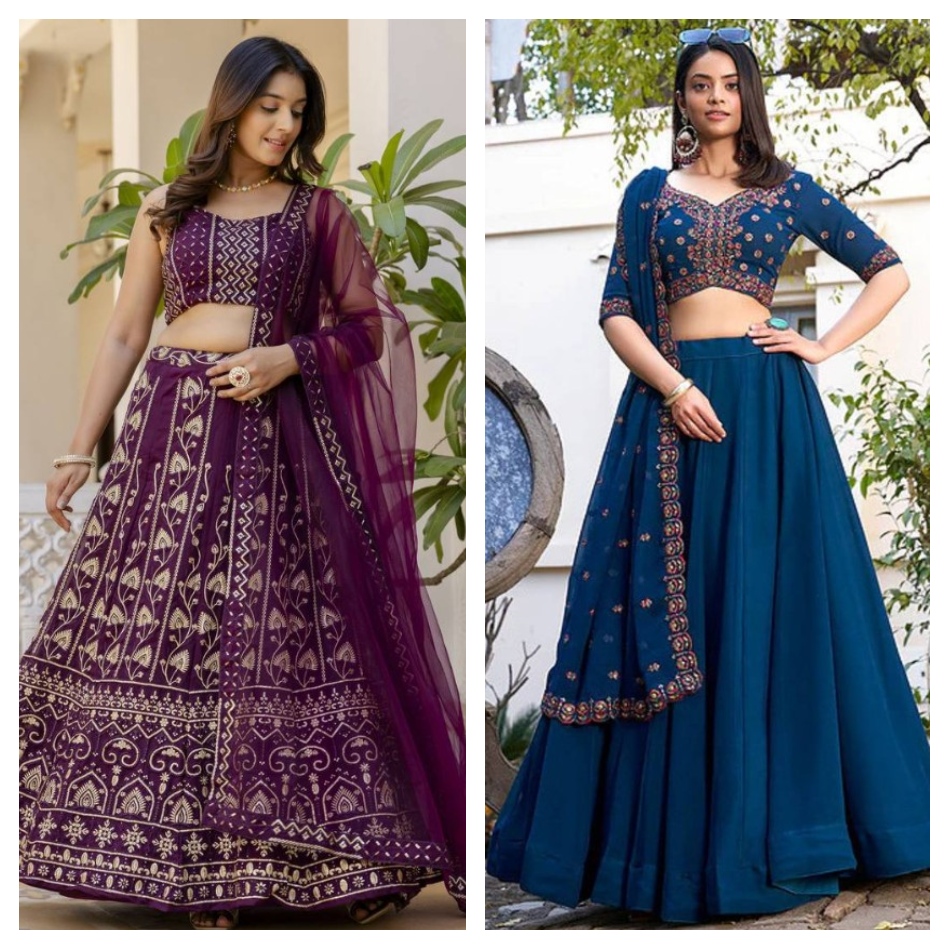
The Artistry Behind Handcrafted Georgette Lehengas
Lehengas crafted from georgette utilize highly skilled labor performed by hand through centuries-old techniques such as hand embroidery, zardozi, etc… Artisans have spent many hours or even weeks hand stitching each individual design into these garments. The end result is that every garment will have a small difference from each other, providing the consumer with a distinct garment. The hand finishing of these garments makes the details look natural and just like any other item made by hand. Handcrafted garments will also have depth and character due to the human touch they received in the creation process.
The Precision of Machine-Made Georgette Lehengas
Automated embroidery and stitching equipment are utilized in the manufacturing of machine-made georgette lehengas. Automated manufacturing processes produce precise and uniform designs with a high degree of accuracy and consistency and have led to a significant reduction in production lead times for georgette lehengas. Newer machines can create complicated designs that have visual qualities similar to hand-stitched embroidery, often at a small fraction of the cost of the original design. The availability of affordable, trendy machine-manufactured lehengas makes it possible for purchasers to buy affordable, trendy garments without sacrificing their overall appearance.
Price Differences and Budget Considerations
The price differences between handmade lehengas and machine-made lehengas are one of the biggest distinctions when it comes to these two types of garments. Generally speaking, handmade lehengas will cost much more than machine-made ones for three main reasons: they require skilled artisans who have undergone years of training to create the garment; they take longer to create; and they require a lot of intricate detailing for the final garment. Thus, the cost of handmade lehengas reflects both the time and expertise required to make the garment itself.
Machine-made lehengas, however, will be less expensive than handmade lehengas because of their mass production and lower labor costs. When you are a bride or someone shopping for a wedding, understanding the price difference between handmade and machine-made lehengas is important when trying to meet expectations with your wedding budget.
Quality, Durability, and Finish
Modern purchasers consider quality to be a critical component of their assessment of items by sellers today. Thus, handcrafted furnishings, such as lehengas, can frequently exhibit far higher than average levels or standards of finishing detail, particularly for embroidery and embellishment placement. Each stitch made by artisans is done by hand, therefore they are able to reinforce their stitches, providing much more durability when compared to machine-made lehengas. While machine-made lehengas do display a high level of finish, often at a very low cost, they may also lack the same range or depth as hand-printed themes and embroidery. Recent advancements in technology have dramatically enhanced the accuracy of machine-made textile products, making most machine-embroidered pieces at least as durable as any handmade ones.
Emotional and Cultural Value
Not only do handcrafted lehengas have meaning in terms of fabric and design, but they also carry emotional and cultural importance. A lot of times, they represent a piece of traditional craftsmanship that has been passed down through the years. Many customers enjoy supporting local artisans who use heritage techniques when creating these beautiful garments. For milestone occasions like wedding ceremonies, a handcrafted lehenga can hold a very special and significant meaning to the wearer. On the other hand, while machine-made lehengas are stylish and easy to wear, they do not usually place a lot of weight on heritage value — they primarily focus on current fashion trend and convenience.
Customization and Design Flexibility
Handcrafted lehengas offer greater scope for customization. Buyers can request specific motifs, personalized initials, unique color combinations, or tailored embellishment density. Since artisans work manually, they can adapt designs to suit individual preferences. Machine-made lehengas, however, usually follow pre-set templates. While some customization may be possible, it is often limited to size adjustments or minor modifications. For buyers seeking one-of-a-kind designs, handcrafted options provide more creative freedom.
Production Time and Availability
Buyers today place significant importance on timelines when looking for items to wear to their wedding. Due to the hand-making process involved with creating handcrafted lehengas, they take much longer to create when compared to machine-made lehengas. Therefore, when purchasing a handcrafted lehenga, shoppers must plan ahead of time. Machine-made lehengas, on the other hand, can be found in many available forms (especially stores and internet sites), making them good candidates for last-minute shopping or quick outfit changes. Machine-made lehengas’ speed and convenience are key factors that support the ongoing popularity of machine-made apparel in the fast-paced world of retailing.
Sustainability and Ethical Considerations
In 2026, when it comes to fashion, many people are making their choices based on sustainability. In addition to being handcrafted, lehengas often align with the principles of ethical shopping because they support artisan communities and require less industrial energy. While machine-made products tend to be produced through large manufacturing systems and have produced much lower amounts of carbon dioxide over time than handmade items, some suppliers have begun using more environmentally friendly machinery and sustainable fabrics. Responsible fashion buyers will use this information to determine which brands have responsible practices before making a purchase.
Making the Right Choice for Your Needs
In the end, the decision whether to purchase a handcrafted or machine-made georgette lehenga will depend upon what is important to you. If you appreciate uniqueness, traditional tailoring, and intricate detail in your clothing, then a handcrafted item will certainly be a good way to go if you are willing to spend the money. However, if having a low-cost item that is readily available or if you care more about fashion trends rather than how they are made, then purchasing a machine-made lehenga would be best suited for you. Today’s buyer’s look at this choice as more than just an aesthetic preference; they want to see how their choice of fashion matches up with their budget, values, and special event. Shoppers who understand how these two types of clothing differ will feel confident in making a selection of the type of georgette lehenga that meets both their desires and their finances.
 Miss Fashion Smoke Blog
Leave a comment